Jolant Leek (organic)

£2.70

18 in stock

Days
Hours
Minutes
Seconds

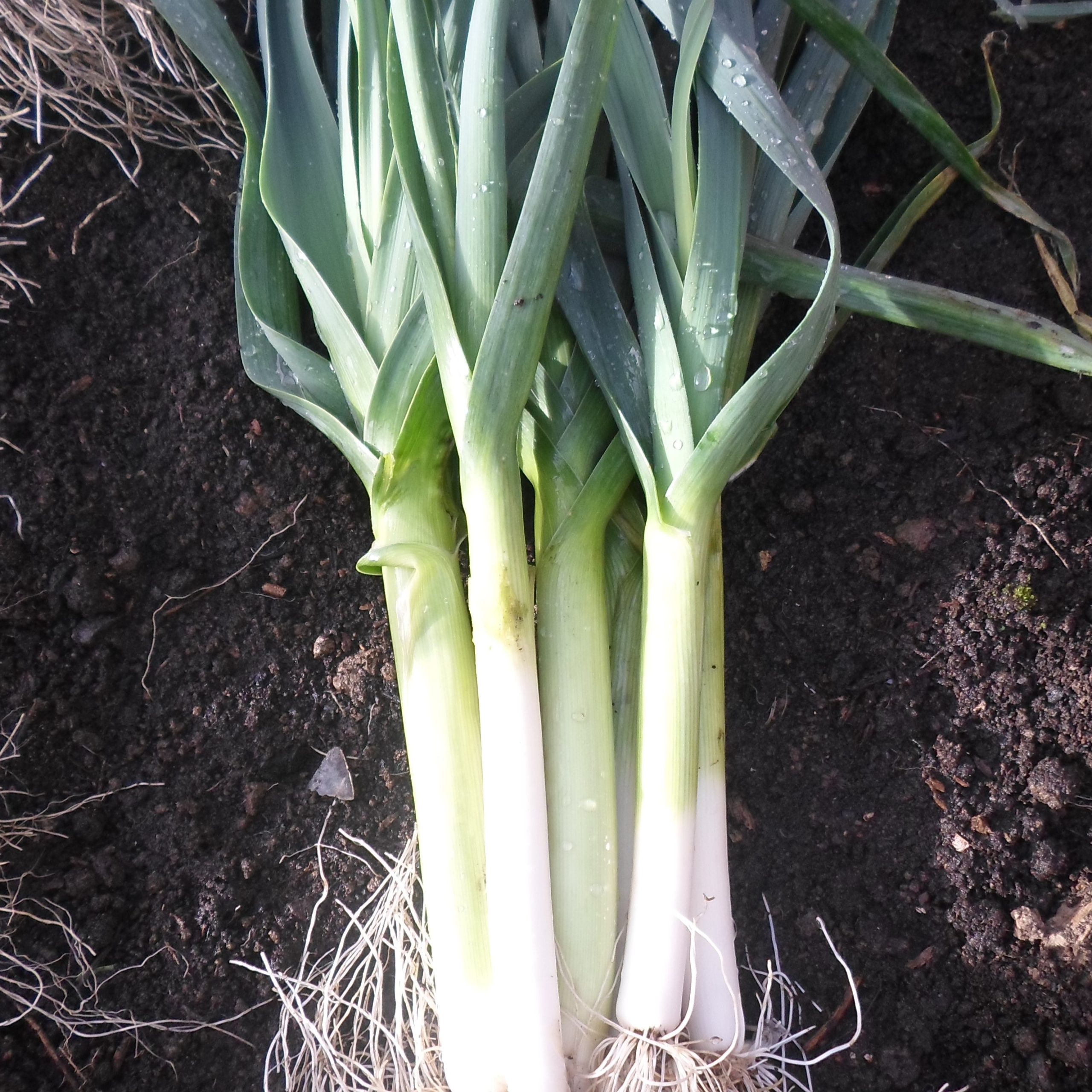
The winner of our leek trials a few years ago, we really love this modern, European variety. It’s fast growing and early, so you can start cropping in late summer, but we found it stands really well over winter too.  Leaves are mid to dark green and the shanks are strong, dense and creamy white.  It’s a great all rounder and can be used for baby leeks, as well as full size, and with its mild flavour, is super versatile in the kitchen. My husband loves them wrapped in ham, with a cheese sauce, but I like the baby ones done on the BBQ with some olive oil, lemon and black pepper.

Approx. 200 seeds per packet.

Botanical name: Allium porrum

Like most alliums, they can be sown both indoors and out during the spring – early spring for indoor sown, and mid to late spring when the soil’s warmed up for outdoor sown.  I sow mine outdoors, sprinkling the seed fairly sparingly over a prepared and watered ‘nursery’ seed bed.  Cover with a fine layer of compost and maybe add a layer of fleece if your site is quite exposed, or there’s going to be a cold snap.  We screw together old windows to create a micro-climate round our beds, protecting them from the spring weather.  Once they’ve germinated, leave them until they’re ready to be transplanted, when they’re about 8” tall and pencil thick, probably late June / early July.  Prepare their final bed by digging in plenty of organic matter, then make a row or two of 6” deep holes, spaced 8” apart.  A broom handle or wrecking bar is ideal.  Lift the baby leeks from their nursery bed and trim the roots and leaves.  This may seem a little harsh, but prevents the roots getting tangled up round the plant when you put it in  its hole, and reduced the stress on the plant as it can then concentrate on growing new, stronger roots without having to maintain lots of leaf matter.  Pop a leek into each hole and fill with water to settle any loose soil around the roots.  The hole itself will be much bigger than the leek at this stage, but don’t be tempted to fill it in with soil – the gap is there to encourage a nice, fat, white shank.  Any leeks that are left in the nursery bed can simply be eaten.  Water regularly throughout the season.
This is a bright orange, thin skinned, hubbard type squash, with a lovely chestnut flavour. It’s easy to grow, does…

16 in stock

£2.90

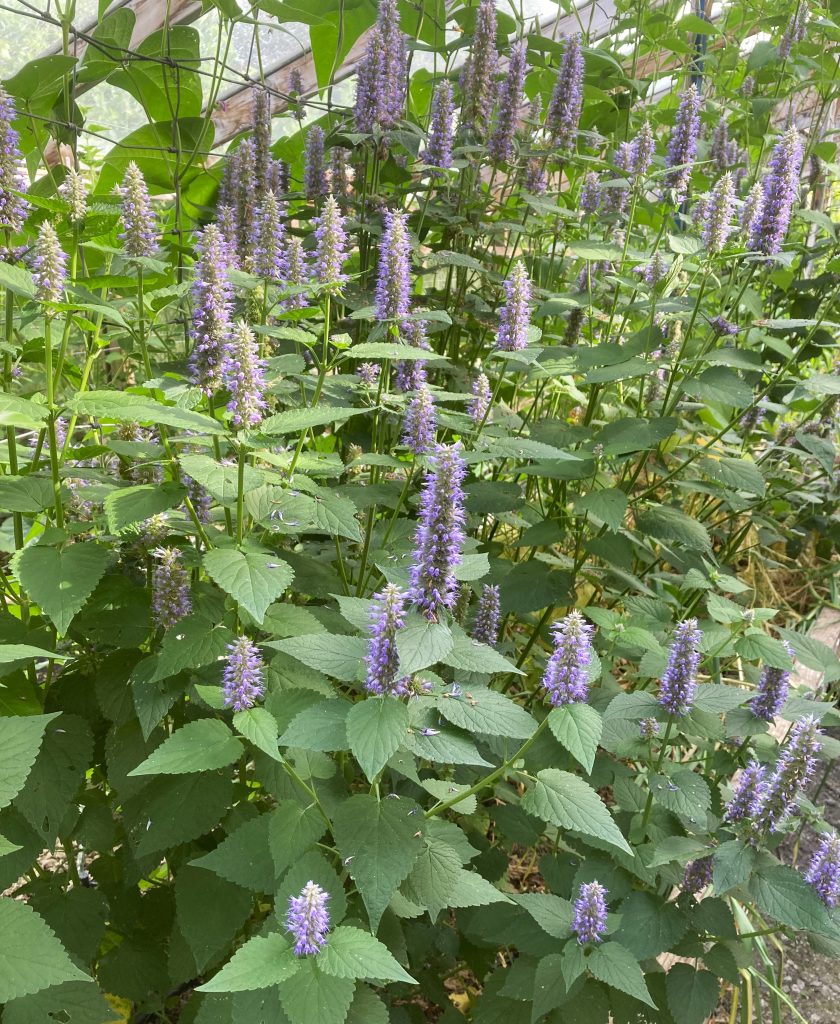
A beautiful herbaceous perennial, this mint is loved by pollinators. Its tall spikes of eye-catching purple flowers can grow to…

36 in stock

£2.70

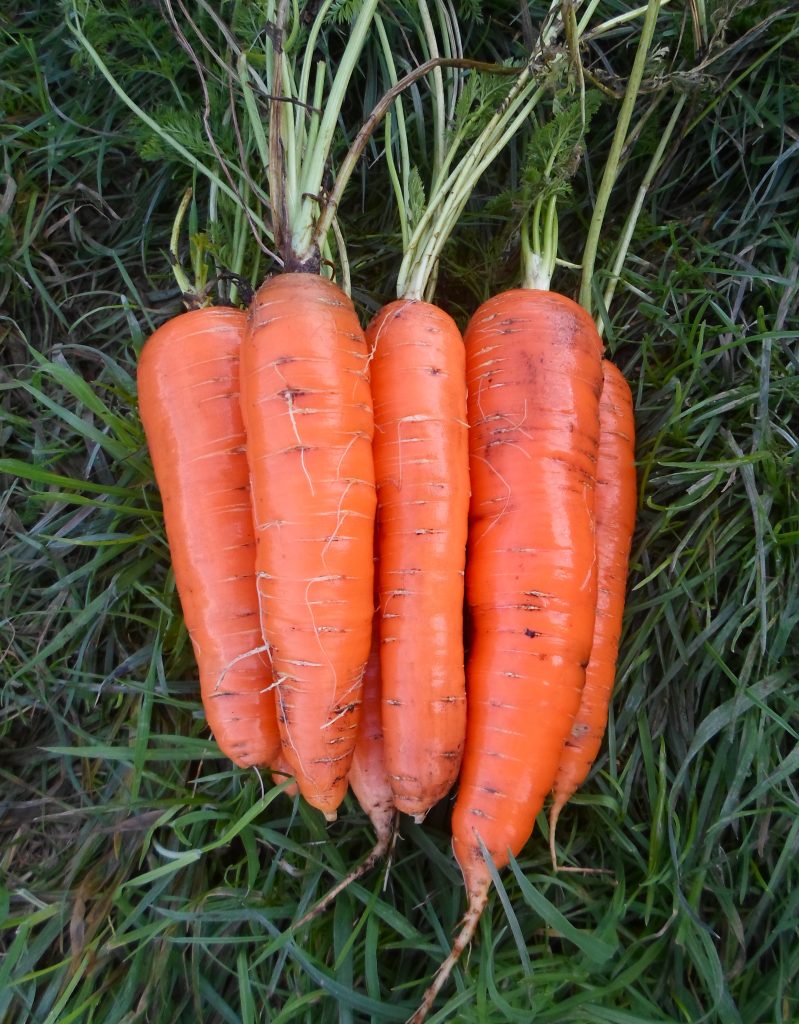
A sweet and tasty, maincrop carrot that produces good sized blunt ended cylindrical roots that can reach up to 8″…

14 in stock

£2.80

An incredibly rare and endangered Catalan heritage variety that we got from our friend Adam Alexander, ‘The Seed Detective’, who…

5 in stock

£2.90

A really easy to grow perennial with loads of deep blue-green leaves that looks fab in any border and is…

17 in stock

£2.70

Wild rocket leaves are darker, narrower and more serrated than those of its more cultivated cousin. They are also slower…

19 in stock

£2.70

Burpee's Butterbush

Traditionally, squashes from the ‘moschata’ species don’t grow particularly well in Wales, as they need a longer, sunnier season than…

28 in stock

£2.90

Chinese Violet Cress

Every part of this lovely salad crop is edible, so as well as using the tasty leaves, you can also…

17 in stock

£2.70

Summer squash are similar to courgettes, both in terms of growing, harvesting and cooking. I gave these ‘Summer Crooknecks’ a…

26 in stock

£2.90

This particular Welsh variety of the Italian borlotti is suited to our cool, wet climate here in the south west….

19 in stock

£3.00

A tall, vine tomato, this fantastic variety produces loads of beautifully sweet and zingy, cherry sizes fruits. Great in kids…

15 in stock

£2.90

I always grow ‘snap’ peas, rather than ‘shelling’ peas. The pods are fleshy and juicy, and just as tasty as…

14 in stock

£2.80