Student Parsnip (organic)

£2.70

29 in stock

Days
Hours
Minutes
Seconds

This variety did best in our parsnip trials a few years ago as they grew beautifully, seemed relatively resistant to canker, and the flavour was superb. It’s an old, heritage variety that’s been around since the 1850s, with slender roots, though not too long, making it a good choice for heavier soils. It also has little in the way of a woody core, even in the largest, oldest parsnips harvested at the end of the season. The flesh is creamy white and lovely and sweet, especially after a frost. Great for roasting and in spicy soups, or my personal favourite, with date and yoghurt sauce (yes, really!).

Approx. 400 seeds

Botanical name: Pastinaca sativa

Parsnips can be a little slow and erratic to germinate, but once they’re off, they need little maintenance and can be left in the ground until you’re ready to eat them.  Most gardening books say you need to direct sow, so if you’re doing this, you’ll need to wait until the soil is has warmed up, normally in mid-spring.  Make a shallow drill, then sprinkle the seed along it – you can use plenty, not only because of the tricky germination, but also because parsnip seed doesn’t keep well, so best use it all and buy fresh each year.  Cover with soil and water in.  Don’t add any organic matter otherwise your roots will end up ‘forking’.  Germination can take up to 30 days, so keep them well weeded so you can easily see when they start to appear, then thin to approx 6” spacings, when they’re about 1” high.  

You can also sow in modules and transplant, but bear in mind that parsnips don’t like their tap roots being disturbed, so you’ll need to use tall ‘modules’ that you can plant straight into the ground without removing the parsnip seedling first.  Use something that will disintegrate quickly, e.g. toilet rolls or extra tall paper pots, and make sure you plant them before they get too big.  Sow 4-5 seeds in each, and thin to just the best one.

Once planted, water regularly throughout the season.  Once the leaves have died down at the end of the season, they’re ready to harvest, though the ones you harvest after the first frost will be sweeter.  Make sure you mark the row where they are as once the leaves have gone, they’re difficult to spot!

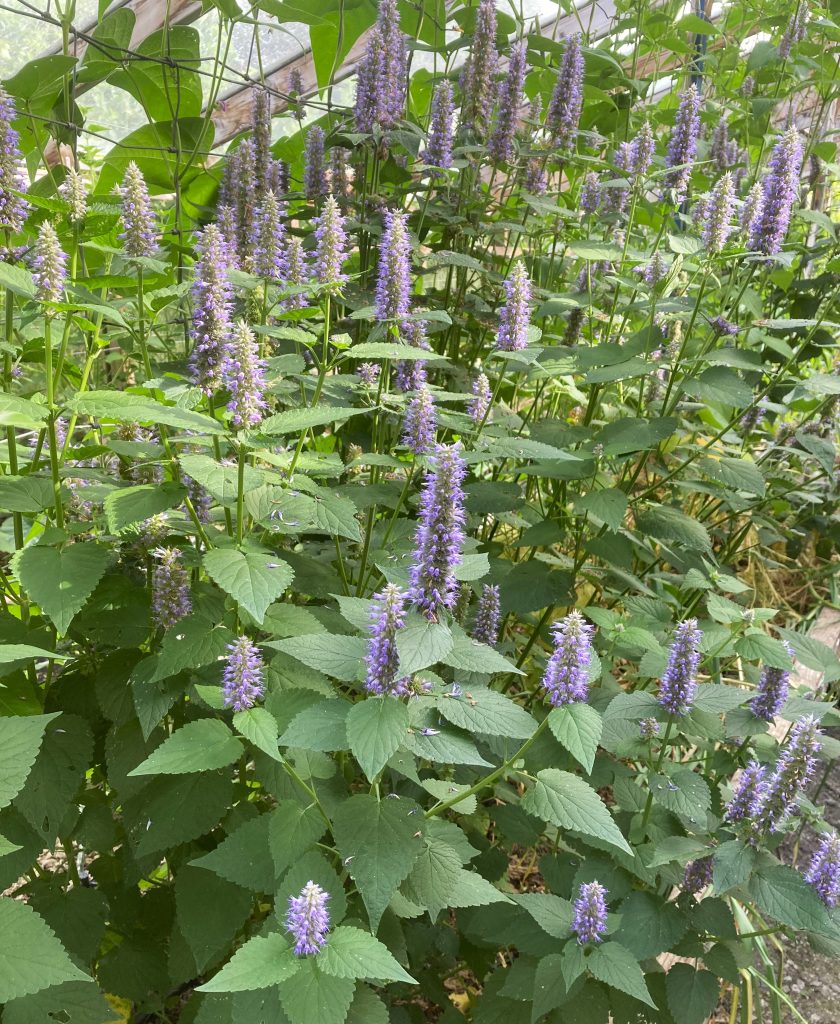
A beautiful herbaceous perennial, this mint is loved by pollinators. Its tall spikes of eye-catching purple flowers can grow to…

21 in stock

£2.70

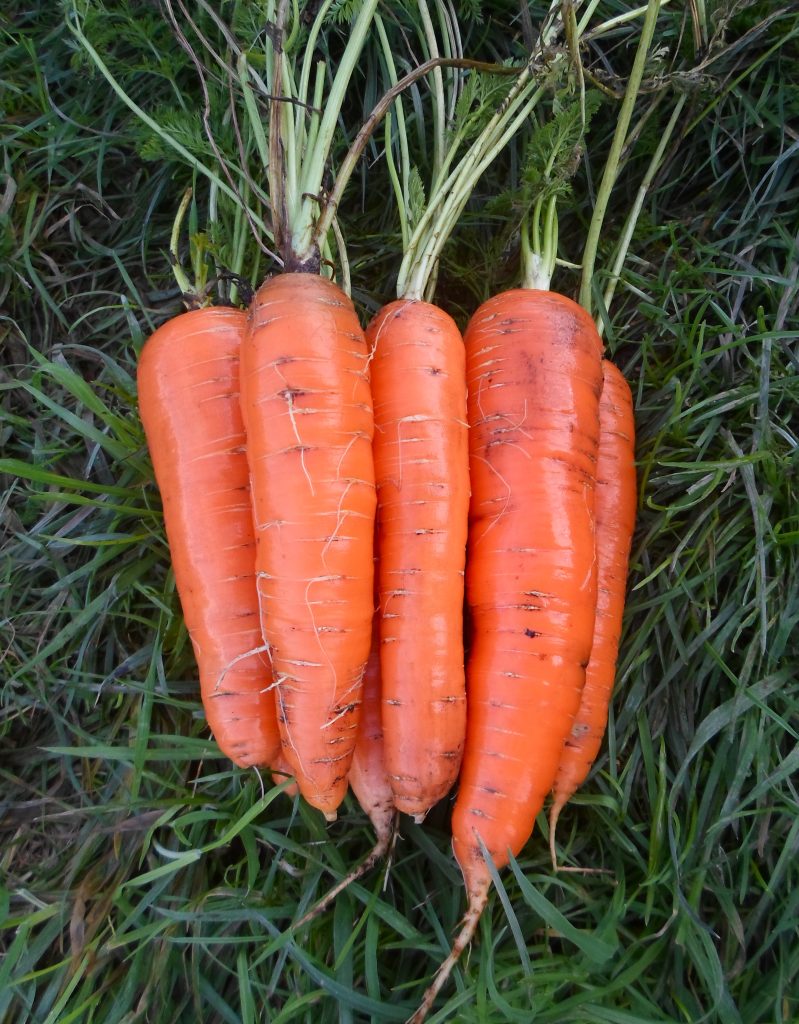
A sweet and tasty, maincrop carrot that produces good sized blunt ended cylindrical roots that can reach up to 8″…

11 in stock

£2.80

An incredibly rare and endangered Catalan heritage variety that we got from our friend Adam Alexander, ‘The Seed Detective’, who…

17 in stock

£2.90

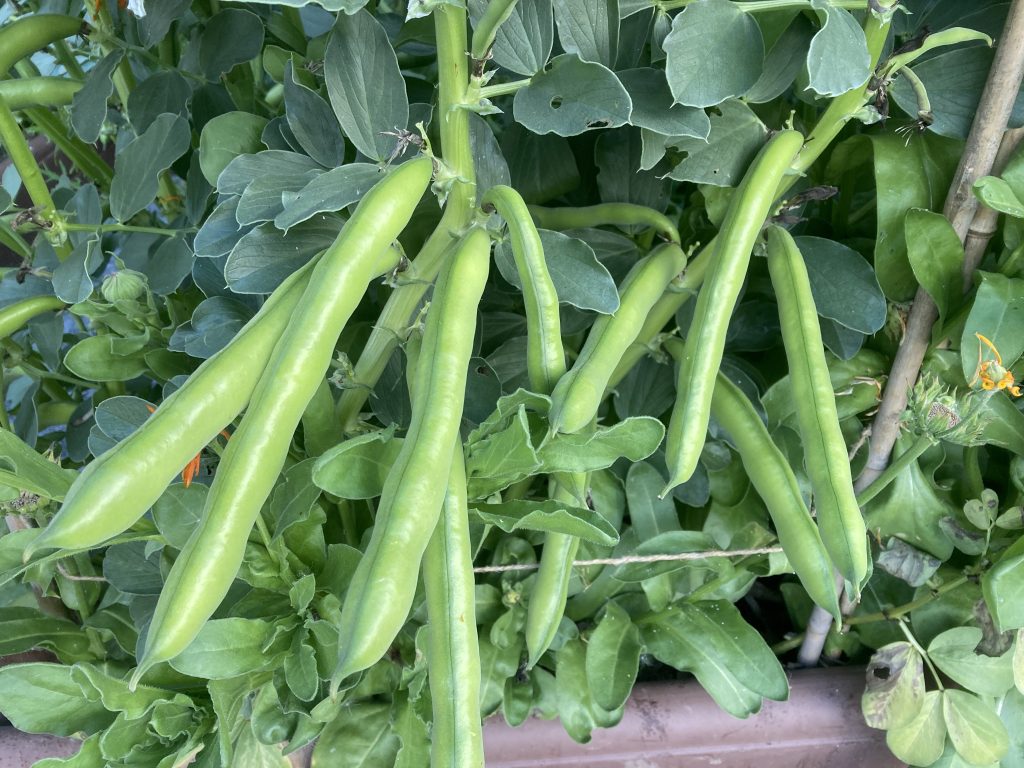
A really easy to grow perennial with loads of deep blue-green leaves that looks fab in any border and is…

23 in stock

£2.70

Wild rocket leaves are darker, narrower and more serrated than those of its more cultivated cousin. They are also slower…

13 in stock

£2.70

Sorry, now out of stock for this year! More coming autumn 2026. Our growers put their heads together recently and…

Out of stock

£18.00

Chantenay carrot

These short, stumpy carrots don’t need deep, loose soil, so are brilliant for containers or for growing in less than…

29 in stock

£2.70

Borage

Sometimes known as ‘Starflower’, borage is a great, no fuss plant that’s fantastic for pollinators. Bees in particular love the…

14 in stock

£2.70

Cherry Belle Radish

A beautiful and delicious radish variety – cherry like in its globe round shape and bright red colour with a…

8 in stock

£2.70

Cayenne is your classic ‘kitchen’ chilli – bright, shiny red and between 2” to 5” long, they look great in…

28 in stock

£2.90

I always grow ‘snap’ peas, rather than ‘shelling’ peas. The pods are fleshy and juicy, and just as tasty as…

27 in stock

£2.80

Coming soon – awaiting processing and germination testing. Named after the late Brython Stenner from Cefn Cribwr in south Wales,…

Out of stock

£3.00